Entry · Ref QYHIAHOS
How to Evaluate Revenue Streams in Medspa Practice Sales La Jolla
- Posted
- 2026-09-22
- Last amended
- 2026-09-22
- Account
- @simonijvj952

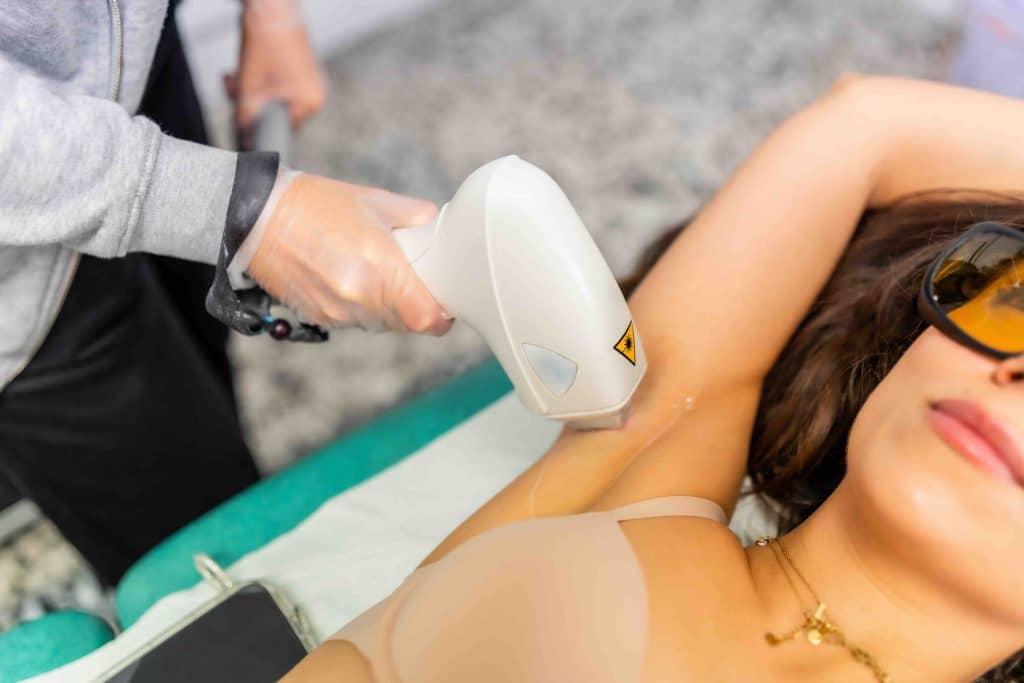
A medspa can look highly profitable on the surface and still disappoint a buyer after closing. That usually happens when revenue is judged by total collections alone, without enough attention to what is producing those collections, how repeatable they are, and whether they survive a change in ownership. In Medspa Practice Sales La Jolla, that distinction matters more than many sellers expect. Buyers in this market are not just paying for top-line performance. They are paying for durability, mix, reputation, patient behavior, and operating leverage.
La Jolla has its own economics. The clientele often skews affluent, service expectations are high, and the aesthetic market is crowded with physicians, nurse injectors, medspas, plastic surgery practices, and wellness brands competing for the same patient wallet. That means two medspas with identical annual revenue can carry very different values. One may have a stable base of recurring injectable and device patients, disciplined retention, and strong margins. The other may be propped up by promotional spikes, heavy owner involvement, and one standout injector who could leave the day after closing.
When I review a medspa for sale, I do not start by asking whether revenue is growing. I start by asking what kind of revenue it is.
Not all medspa revenue deserves the same multiple
Aesthetic practices often produce a patchwork of revenue sources. Injectables, laser packages, facials, memberships, skincare retail, weight loss, hormone support, body contouring, and physician-directed wellness services can all sit under one roof. That variety is attractive, but it can also hide weakness. A broad menu does not automatically mean a diversified business. Sometimes it means a scattered one.
A buyer looking at Medspa Practice Sales La Jolla should sort revenue into three practical categories: recurring and sticky, repeatable but discretionary, and volatile or personality-driven. Membership dues and maintenance treatments may fall into the first bucket. Botox, fillers, and regular laser resurfacing often sit in the second. A celebrity-driven social media launch or a short-lived trend treatment may sit in the third.
The valuation impact is significant. Revenue that repeats because patients have a habit, a treatment plan, and trust in the staff usually commands a better response from buyers and lenders. Revenue that depends on aggressive discounting or owner charisma often gets discounted in diligence, even if it looked impressive in the trailing twelve months.
That is why revenue stream analysis is less about counting categories and more about weighing quality.
Start with source data, not summary reports
Most practice owners know their monthly sales totals. Fewer can produce a clean breakdown by provider, service line, package redemption pattern, and patient cohort. Buyers notice that immediately.
Profit and loss statements are necessary, but they are not enough. For a medspa sale, the real story often lives in the practice management system, the merchant processing reports, payroll records, and inventory logs. If those records do not reconcile, the revenue discussion gets tense fast.
The first thing I want to see is twelve to thirty-six months of monthly revenue segmented by meaningful service lines. “Aesthetics” is too broad. “Injectables,” “energy devices,” “skin services,” “retail skincare,” and “wellness” is closer to useful. If there has been a recent service launch, it should be isolated rather than blended into a broad category that makes trend lines look smoother than they are.
Next, I compare production to collections. A medspa that books large prepaid packages can show strong sales but weaker realized treatment economics if redemption runs high and pricing was too aggressive. Deferred revenue needs careful treatment. If a buyer is taking over obligations for prepaid treatments, headline revenue can overstate what has really been earned.
This is one of the most common friction points in Medspa Practice Sales La Jolla. Sellers understandably focus on cash received. Buyers focus on what remains to be delivered, at what cost, by whom, and under what pricing promises.
Injectables usually drive value, but only when the patient base belongs to the practice
Neurotoxins and dermal fillers often anchor medspa revenue because they create predictable revisit behavior. A patient who returns every three to four months for toxin and intermittently for filler can become highly valuable over time. But that revenue deserves a premium only if the relationship belongs to the practice rather than to one individual injector.
This distinction is easy to miss. I have seen a medspa with excellent injectable revenue look solid until provider-level reports showed that more than half of those collections came from a single senior injector with a personal following. There was no meaningful non-solicit protection, and many of her patients booked through direct text. From the seller’s perspective, revenue was revenue. From the buyer’s perspective, a large chunk of it was at risk.
A stronger injectable stream has a few recognizable traits. The practice brand generates inquiry flow. The charting is clean. Follow-up protocols are standardized. Pricing discipline is consistent across providers. Rebooking happens at the front desk or through systemized outreach rather than informal side communication. The medical director oversight is documented appropriately. When those conditions are present, a buyer can underwrite future collections with more confidence.
Buyers also look at treatment mix within injectables. Toxin-heavy practices often show steadier repeat patterns. Filler-heavy practices can produce larger tickets, but they may be less predictable month to month. Neither is automatically better. The right question is whether the mix fits the patient base and whether margins are protected after accounting for product cost, injector compensation, and promotional leakage.
Device revenue needs a longer memory
Device-based services can make a medspa look like a star. A new laser, RF microneedling platform, or body contouring system often creates a burst of enthusiasm, large package sales, and eye-catching monthly numbers. The trouble is that early adoption curves can fool both sides of a deal.
If a seller installed a device nine months ago and revenue spiked, a buyer should resist annualizing that run rate too aggressively. The first months after launch often benefit from pent-up demand, social media attention, internal marketing focus, and package promotions. That does not mean the device underperforms long term. It means the first-year pattern can be misleading.
A buyer needs to know whether device revenue is driven by genuine patient demand or by discount structures that compress margin and train patients to wait for specials. I usually compare average realized revenue per session, package redemption rates, retreatment intervals, and maintenance conversion. If the initial package is strong but the maintenance pipeline is weak, future revenue may soften after the early cohort cycles through.
There is also the debt question. If the equipment is financed or leased, the revenue associated with it cannot be viewed in isolation from the obligation attached to it. In Medspa Practice Sales La Jolla, where premium technology often plays a branding role, some sellers overestimate how much a buyer will reward a high-profile device. Buyers usually care less about the logo on the machine than about utilization, margin, and whether the local demographic actually sustains demand at profitable price points.
Memberships can be gold, or they can be a liability disguised as loyalty
Membership programs can increase predictability, smooth cash flow, and improve retention. They can also hide underpriced commitments and weak engagement. I have seen both.
The best membership revenue acts like a healthy subscription business. Patients understand the benefits, use them consistently, purchase additional services above the membership inclusion, and remain enrolled because they find real value rather than because cancellation is awkward. These memberships often support a stronger valuation because they suggest recurring revenue and stronger patient lifetime value.
The weaker version is common too. The medspa discounts heavily to drive sign-ups, includes treatments priced too generously, and accumulates a growing bank of unused credits. On paper, monthly dues look great. Underneath, there is a deferred service burden waiting to hit labor capacity and consumable costs.
A buyer should ask direct questions about active members versus merely billed members, average tenure, monthly utilization, cancellation rates, and add-on spending by members compared with non-members. It also helps to review how many members joined under promotions that may not be repeatable.
One practical test tells you a lot. If the membership program stopped acquiring any new members tomorrow, would the existing base still look attractive six months from now? If the answer is yes, the program likely has substance. If the answer is no, the program may be functioning more like a monthly discount funnel than a true recurring revenue asset.
Retail revenue should support the clinical relationship, not compensate for weak service demand
Skincare retail can be an excellent complement to procedures. It deepens results, increases touchpoints, and lifts average revenue per patient. In a healthy medspa, retail fits naturally into treatment plans and clinician recommendations.
Retail becomes questionable when it is used to flatter total revenue without enough margin contribution or patient pull-through. Some practices carry too many lines, hold stale inventory, or rely on owner enthusiasm rather than staff conviction. Revenue may look decent while cash quietly sits on shelves.
A buyer should examine retail sell-through, gross margin, returns, and concentration by brand. If one line produces most retail sales, it is worth checking whether the relationship is secure and whether pricing control is realistic in a market where online competition is fierce. La Jolla patients are often sophisticated shoppers. They will buy from the practice if they trust the recommendation and value convenience, but they also compare prices.
Retail that tracks with procedure plans is usually stronger than stand-alone product pushing. If post-procedure skincare compliance is high, and if providers document and reinforce product use, retail sales become more defensible. If retail spikes only during events or gift seasons, it should be treated as supplemental rather than foundational.
Wellness revenue deserves extra scrutiny
Many medspas have expanded into wellness offerings, including medical weight loss, IV therapy, hormones, peptide programs, and other cash-pay services. Some of these lines can be profitable and sticky. Some are trend-driven, operationally messy, or exposed to regulatory shifts and reimbursement misconceptions.
This category demands careful judgment because it can change the character of the business. A medspa built around aesthetics may add wellness and improve retention if the integration is thoughtful. On the other hand, wellness can become a distraction if protocols are loose, compliance is uneven, or the team lacks the training and oversight to deliver safely and consistently.
For valuation purposes, the buyer should ask whether wellness revenue is core or opportunistic. Core revenue has documented protocols, repeat purchasing behavior, trained staff, clear physician oversight where required, and patient demand that is likely to persist. Opportunistic revenue often comes from a trend wave, a charismatic provider, or promotional campaigns that are hard to replicate.
I have seen buyers get excited by fast-growing weight management revenue, only to realize that patient acquisition costs were rising sharply and retention after the first few months was mediocre. Growth without staying power is expensive growth.
Concentration risk changes the whole analysis
Revenue concentration is one of the fastest ways to separate attractive medspas from fragile ones. Concentration can appear in several forms: one provider, one service, one referral source, one social platform, or one patient segment. Any of those can undermine a seemingly strong practice.
A few concentration tests help frame the real risk:
- What percentage of revenue comes from the top provider?
- How much of annual revenue is tied to the top service line?
- Is there a single lead source responsible for most new patients?
- Are patient visits spread across a broad base or clustered among a small group of high spenders?
- How dependent is the practice on the owner’s personal brand or direct treatment hours?
If a practice fails one of these tests, that does not automatically kill a deal. It changes the deal structure. Buyers may seek an earnout, a holdback, a stronger transition agreement, or a lower multiple. Sellers often resist this at first, especially if they have poured years into building the brand. But buyers are not buying effort. They are buying transferable economics.
Patient behavior tells you whether revenue is likely to hold
A medspa’s revenue quality becomes clearer when you stop looking at services and start looking at patients. Repeat rate, reactivation rate, time between visits, and average annual spend per active patient often reveal more than gross monthly sales.
For example, a practice may show rising revenue while active patient counts are flat. That can mean the practice is successfully increasing spend per patient. It can also mean a small subset of loyal patients is carrying too much of the business. Without cohort analysis, those scenarios can look identical on a summary report.
I like to see whether newer patient cohorts mature into repeat users or whether the practice constantly needs fresh leads to replace quiet attrition. A medspa with solid repeat behavior can tolerate some advertising inefficiency. A medspa with poor retention lives on a treadmill. The latter is harder to underwrite, especially if customer acquisition costs have climbed.
La Jolla practices often benefit from a population that values maintenance and appearance, but local competition means loyalty cannot be assumed. Strong retention usually reflects execution: prompt follow-up, clear treatment planning, polished patient experience, and staff continuity.
Revenue quality and margin quality are not the same thing
Some revenue streams look excellent until compensation and consumables are layered in. Others seem modest but generate impressive contribution margin. Buyers who understand medspas do not stop at collections. They ask what remains after the revenue is earned.
Injectables are a good example. Gross revenue can be high, but margins vary significantly depending on product mix, pricing discipline, injector compensation model, wastage, and promotional strategy. Device services can also look attractive until you account for technician labor, consumables, maintenance, financing, and underutilized treatment blocks.
This is where seller narratives often get ahead of financial reality. A seller may say, “Our laser business is booming.” That may be true from a scheduling standpoint. Yet if the practice routinely discounts packages, offers free add-ons, and struggles with cancellations, the net economics may be less impressive aestheticbrokers.com Medspa Practice Sales La Jolla than a quieter service line with stronger realization.
A buyer should calculate revenue stream contribution as cleanly as possible. Exact precision is not always available, especially in smaller independent practices, but directional clarity matters. A service line producing a lower top line with better operational consistency and stronger margin can be worth more than a flashy category that burns team energy and delivers little profit.
The story behind growth matters as much as the growth itself
Year-over-year growth is usually the first statistic owners mention. It is also one of the easiest to misunderstand.
Growth driven by an additional provider, expanded hours, stronger retention, or improved pricing usually carries a different meaning than growth driven by temporary promotions or a short-lived social media burst. Buyers should trace the mechanics of growth. Was it more patients, more visits per patient, higher average ticket, a new service launch, or a one-time event cycle?
A medspa that grew 18 percent after hiring an experienced injector may be genuinely stronger if that provider is likely to stay and the systems support their book. A medspa that grew 18 percent because the owner offered deep discounts on body contouring packages to fill a new device schedule may face a much tougher year ahead.
This is where judgment matters. Numbers rarely speak for themselves in aesthetic practice sales. They need context, and context should be tested.
Seller adjustments should be reasonable, not imaginative
Adjusted earnings discussions often become contentious in practice transactions. In medspa deals, it is fair to normalize certain owner-specific expenses, nonrecurring legal costs, or personal items run through the business. It is not fair to treat every weak month as an anomaly or every hoped-for improvement as if it already happened.
The same discipline applies to revenue. If the owner is still producing a major share of collections but plans to leave shortly after closing, a buyer should not simply assume a smooth replacement. If a new service line has only a few months of data, annualizing it may be too optimistic. If package liabilities are substantial, recognized revenue should be reviewed carefully.
The best deals happen when both sides acknowledge what is proven, what is likely, and what is uncertain. That is particularly important in Medspa Practice Sales La Jolla, where premium branding can tempt sellers to lean on lifestyle appeal rather than financial substance. Sophisticated buyers enjoy the market, but they still underwrite risk.
A practical way to think about revenue streams before a sale
For sellers preparing to go to market, the goal is not to make the practice look perfect. The goal is to make it legible. Clean reporting, clear segmentation, and an honest explanation of recent changes can improve buyer confidence more than aggressive spin ever will.
For buyers, the task is to distinguish between revenue that is merely present and revenue that is likely to persist. That usually means spending more time on retention, provider dependence, package liability, and contribution margin than on glossy branding materials.
If I had to reduce the analysis to one working principle, it would be this: the most valuable medspa revenue is revenue that survives a change in ownership with minimal drama. It does not depend on one personality, one promotion calendar, one trend treatment, or one exceptional quarter. It rests on patient trust, repeat behavior, disciplined operations, and service lines that make economic sense after all the real costs are counted.
That is the lens that turns raw collections into a credible valuation. And in a competitive market Medspa Practice Sales La Jolla like La Jolla, it is often the difference between a deal that closes confidently and one that unravels in diligence.
Aesthetic Brokers
Address: 800 Silverado St #301A, La Jolla, CA 92037
Phone number: +16197420310
FAQ About Medspa Practice Sales La Jolla
How much does the average MedSpa owner make?
The average medspa owner makes between $300,000 and $375,000 per year according to benchmarks from the American Med Spa Association (AmSpa). However, depending on the business structure and location, total compensation typically ranges from $150,000 to over $500,000 annually.
What is the failure rate of medical spas?
Approximately 60% of new medical spas shut down within their first 18 months of operation.
How much can I sell my med spa for?
Most single-location medical spas sell for 4.0x to 7.0x adjusted EBITDA (Earnings Before Interest, Taxes, Depreciation, and Amortization), which typically translates to overall valuations ranging from $800,000 to over $3.5 million depending on your net profit and business size.